

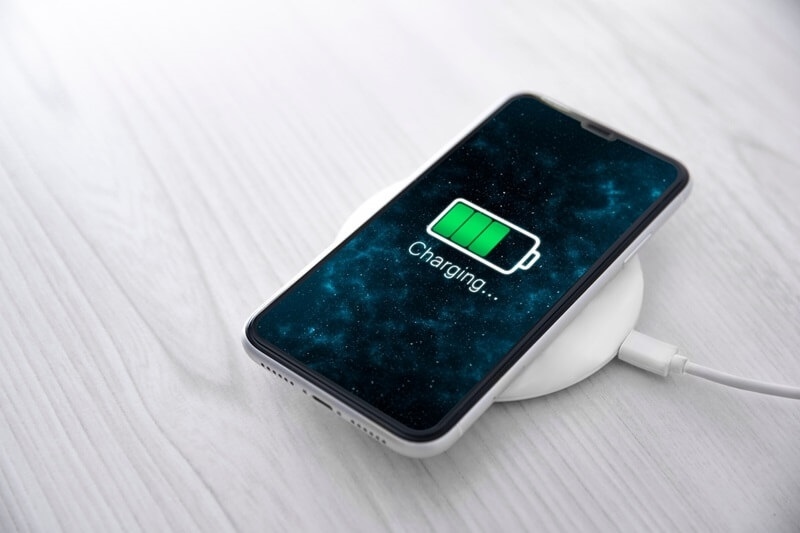
Wireless charging technology has advanced significantly. It was once a specialty nicety; with new standards like Qi2 and improved power envelopes, it's as good as wired charging for many routine situations. We are all wondering big things in 2025: how wireless charging works, "how fast is it now versus before," the best wireless chargers of 2025, and "can I securely and speedily charge multiple devices?" All of the above are covered here, as well as some safe wireless charging practices and wireless charging speed comparisons, so that your devices don't get cut short.
Wireless charging is the delivery of power by electricity without a plug between your device and the source. There are many ways, but for most phones, earbuds, watches, etc., the most common ones are inductive and resonant wireless charging. Here's how wireless charging works.
Another aspect of how wireless charging operates concerns standards: the Qi standard and more recent additions to it (Qi2, Magnetic Power Profile, and newer versions), delivering improvements of compatibility, alignment, and power.
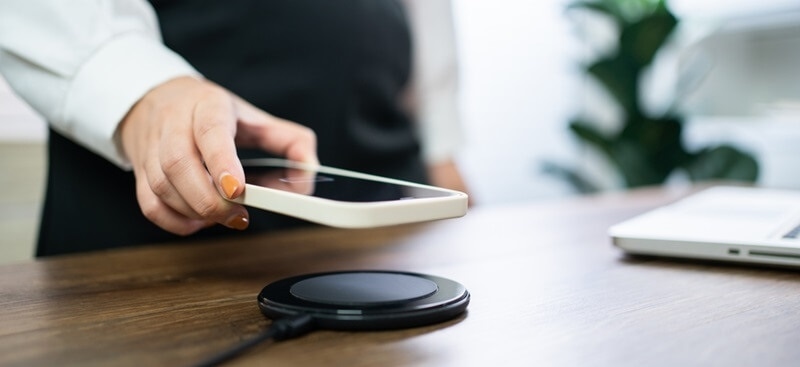
Most people nowadays are carrying 2-4 wireless devices (smartwatch, earbuds, phone, sometimes even a couple more). Multi-device pads/stands with wireless charging technology is mainstreaming. Some facts worth noting:
Independent output zones: A great multi-device charger contains independent coils/zones to avoid interference and supply power wisely. It spares you from being throttled for simple devices being poorly placed. Excellent chargers make you able to charge three or more devices efficiently.
Heat management: Charging multiple devices also generates more heat. Misaligned devices, insulated cases, or leaving the charger in a warm environment can compromise performance. Some chargers include heating vents or thermal design to allow heat distribution or transfer.
Standard compatibility: Ensure that your phone is Qi2 / MagSafe / other magnetic alignment compatible, and so is the multi-device charger. Otherwise, you're left with slower speeds (or an older Qi standard).
Physical design: Pad or stand, does it tilt or fold, gap is material? Some mats or pads include foldable travel chargers to add more usability.
Even though wireless charging is quicker nowadays, it lags wired variants in terms of peak power and efficiency. Some trade-offs:
Efficiency: Inductive/resonant wireless charging loses more energy as heat than wired charging. Thick cases or misaligned ones aggravate that.
Heat: Wireless charging generates more heat due to energy loss. Heat will eventually shorten battery life if it is excessive.
Rechargeable wattage: Wired fast charging easily goes a whole lot higher (e.g., 30 W, 65 W, 100 W and above), depending on the device and charger. Wireless is getting there, but most are still topped (e.g., 15 W or ~25 W for newer Qi2 / Magnetic).
Thus, wireless charging technology is the way to go for overnight charging (at the office, or). But for a quick full charge, especially when battery is very low, wired still has a hair's breadth lead.
To make the most out of wireless charging technology without harming your devices or shortening battery life, certain safe wireless charging tips are outlined below:
Check for certifications/standards: Use chargers that are Qi certified (or Qi2), or from known organizations. This ensures that safety features like foreign object detection, over-temperature protection, etc., are implemented.
Use proper wattage & adapter: If your charger is, say, 15 W wireless charging capable, make sure your power adapter/wall brick you insert will provide sufficient juice. An underpowered adapter will result in overhead draw, heat, and slow charge. Some multi-device wireless pads need 30-40 W adapters.
Stay aligned: Coil alignment is important. Improper phone positioning on the pad, heavy or non-magnetic cases, or allowing the phone to slide can decrease speeds or result in overheating. Magnetic alignment (MagSafe / Qi2 magnetic profile) is a bonus.
Watch heat / don't overheat: Heat is the nemesis of battery health. If phone or pad gets extremely hot, reduce load (remove case, stop charging other devices), or shift to hours when there is less heat accumulation. Maintain cool atmosphere around the charger. Never cover the charger.
Never leave devices to charge unnecessarily: Overnight charging is normal, but having a device remain at 100% on a charger that still delivers current does create excessive wear. Some chargers reduce or cut current themselves when full. Pulling or unplugging the device when it is done charging is useful if possible.
Avoid foreign objects & clean surfaces: Make sure there is no metal (coins, paperclips, etc.) on the pad. Debris/dust that will interfere with cooling or alignment should be removed. Foreign object detection abilities of certified chargers help, but it's always better to prevent.
Use established brands: Off-brand wireless pads are cheaper but might forego safety features or state higher wattages. Use established manufacturers that bring greater assurance. Research reviews and users' experiences.
If you’ve used wireless charging a few years ago, you may remember how slow it was compared to plugging in. In 2025, there has been solid progress. Here’s how speeds compare:
| Charging Type / Standard | Typical Speeds (Phones) |
| Basic Qi / early wireless charging | 5-10 W for many phones, often less if misaligned or with a case |
| MagSafe & Magnetic Power Profile (Qi2) | Up to ~15 W with good alignment, magnets, etc. Many chargers and phones now support this |
| New Qi2 25 W standard | Certain chargers now deliver up to 25 W for Qi2.2 / newer versions. That means getting to roughly 50% in about 30 minutes for compatible phones |
Thus the gap between wired fast charging and wireless is narrowing, especially on devices designed for magnetic alignment (like MagSafe / Qi2) or with very well-designed coils & cooling.
When buying one of the best wireless chargers in 2025, compare the following important specs and features:
Standard / protocol - Qi / Qi2 / Magnetic Power Profile / MagSafe / proprietary.
Number of charging coils/zones - if you are charging more than one device at a time.
Cooling / thermal management - active fan, passive heatsinks, airflow.
Case compatibility/thickness - if you typically use thick protective or rugged cases.
Physical form factor - pad vs stand vs dock vs mat / foldable vs fixed.
Power adapter / cable included - the majority of pads need a high quality USB-C PD brick; occasionally included, sometimes not.
Certifications/safety features - Qi certification, over-temperature protection, foreign object detection, etc.
Price/value - taking into account how many devices you will be charging, how often, and how fast you will charge.
Wireless charging technology in 2025 has come a long way. To understand how wireless charging works, coils, alignment, and standardization are something one has to know in order to have good performance. Side-by-side comparisons of speeds, new standards (Qi2, MagSafe using magnetic alignment), offer much better performance than older wireless pads. Among the best wireless chargers 2025, there are good choices for a single device, multiple devices, or travel. But there is also safe wireless charging advice needed: monitor heat, use certified gear, don't misalign, etc.
This content was created by AI