The Future of Connectivity with Private LTE Network

As connectivity becomes vital to business, companies are on the lookout for a wireless solution that is more reliable, secure, and powerful. Public cellular networks and Wi-Fi have served us well, yet the private LTE network has emerged as a modern-day communication solution for mission-critical operations. Private LTE is driving a revolution in industries that depend on control and performance. For organizations considering the options, it is essential to know the benefits of a private LTE network, how private LTE compares to Wi-Fi, and what the applications for private LTE networks look like for enterprises, so that they can make an informed decision about digital transformation.
What Exactly Is a Private LTE Network?
A private LTE network is a local cellular network that utilizes either licensed, shared, or unlicensed spectrum to deliver dedicated wireless coverage to an organization within established geographic limits. You can think of it as your personal, miniature version of a primary carrier’s network (i.e., Verizon or AT&T), deployed just for your factory, port, campus, or mine. It is based on the same fundamental technology (4G/LTE and now 5G) that enables our smartphones to work and enables an organization to deliver cellular connectivity to devices, sensors, and equipment in a designated environment.
Unlike Wi-Fi, which utilizes unlicensed, open spectrum that anyone can use, a private LTE network may utilize secure spectrum, which creates less interference and can be more stable, predictable, and reliable. This is the foundation for a better, more secure connectivity option, offering a truly differentiated solution for industrial and enterprise-style use cases.
The Compelling Benefits of Private LTE for Modern Enterprises
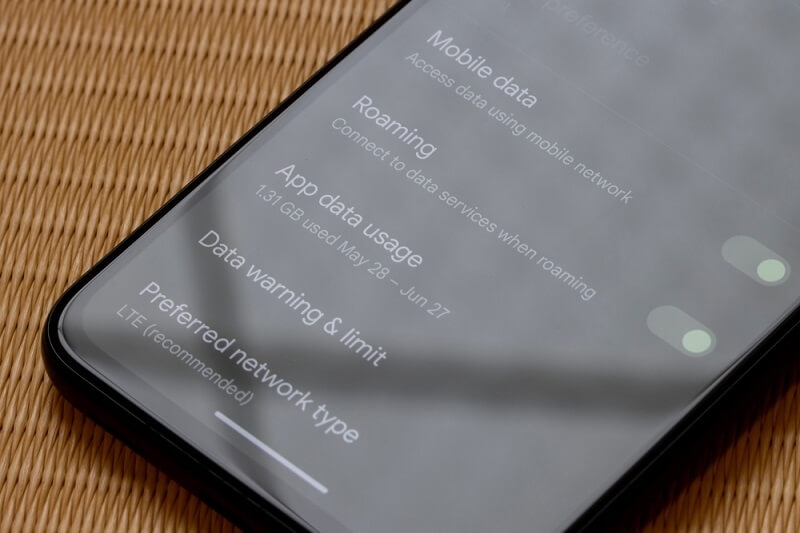
Companies from every field are beginning to embrace private LTE to resolve connectivity issues that cannot be resolved with traditional Wi-Fi access. Private LTE's key benefits are game changers, unlocking new operational efficiency and innovation levels.
- Unmatched Reliability and Coverage: Private LTE radio signals travel further and penetrate walls better than Wi-Fi. In practical terms, private LTE can provide reliable and seamless coverage over large outdoor areas such as shipping yards and dense industrial environments like refineries to eliminate dead zones or lack of connectivity that impact operations.
- Predictable Performance and Low Latency: With a private network, you steer the traffic. There’s no contention with public users who may be streaming videos or downloading large files. Accordingly, you will know you will have predictable bandwidth, extremely low latency, and reliable quality of service for time-sensitive use cases like autonomous guided vehicles (AGVs) and real-time control of robots.
- Mobility and Roaming: Devices on a private LTE network can seamlessly hand off connections from one cell tower to another, and the device will not drop the radio signal, even at high speeds. This is crucial for connected vehicles on an assembly line or handheld devices that staff use while moving around a hospital campus.
- Massive IoT Scalability: One private LTE cell can support thousands of concurrently connected sensors and devices, well above the practical density limits of a typical Wi-Fi access point. This has implications for large IoT applications, such as environmental monitoring or asset tracking.
In sum, these advantages enable organizations to embrace next-generation technologies, such as industrial automation, augmented reality for maintenance, and near real-time data analytics, without concern that their network will be a limiting factor.
Private LTE vs Wi-Fi: Choosing the Right Tool for the Job
Choosing between private LTE and Wi-Fi is not about which is better; it is about the right tool for the right job, as each has its best use cases.
Wi-Fi is clearly excellent for:
- General-purpose internet access for workers and guests.
- Connecting laptops, phones, and printers in an office.
- Use cases where cost is a primary factor and ultra-high reliability is not a priority.
Private LTE is better for:
- Mission-Critical Communications: In these cases, dropping a connection could cause safety incidents or thousands of dollars in downtime (emergency services, manufacturing lines).
- Large-Scale Industrial IoT: Connecting thousands of sensors over a large area with long battery life.
- High-Mobility Applications: Environments where devices/users are in constant motion and seamless handover is essential.
- Secure Environments: Environments where control over the airwaves is essential to prevent interference and eavesdropping.
For many organizations, the best solution will be a combination of Wi-Fi for general access and private LTE for operating technology.
Navigating the Cost of Private LTE Setup
To any business leader facing the prospect of deploying a private LTE network, the question is, "How much does a private LTE network cost?" It's not that there's a cost of entry, but it will differ depending on the scale and specific needs of the private LTE deployment. The significant expenses that should be accounted for are
- Spectrum Access: The costs associated with spectrum could vary greatly. Some countries have spectrum set aside specifically for private networks (usually for a price), and some have shared or unlicensed bands you can use (CBRS in the United States, for example) that lower this barrier.
- Infrastructure: The infrastructure has two parts. The first is the core network software and hardware (the brains of the operation), and the second is the radio access network (RAN), which would be the small cells and antennas.
- Devices and Sensors: An initial investment could also include LTE-enabled devices and special modems and sensors that must be purchased.
- Design, Configuration, Deployment, and Integration: The use of professional services for network design, deployment, and integration with any existing enterprise systems is another item that weighs heavily on the overall costs of deploying a private LTE network.
As a general rule, the initial costs of deploying a private LTE network are higher than those of deploying Wi-Fi; however, the total cost of ownership (TCO) will be more favorable due to reduced network management overhead, downtime instances, and the ability to enable revenue-generating applications.
Fortifying Your Operations: Private LTE Security Features
In today's threat landscape, security cannot be an afterthought. The built-in private LTE security features are a primary reason industries like defense, utilities, and manufacturing are adopting the technology.
- Network Isolation: Data is never transferred over the public internet. It remains within an owned and controlled private perimeter, significantly limiting potential attack avenues.
- User and Device Authentication: Private LTE employs strong SIM-based authentication (for instance, eSIM or iSIM). Every device on the network must possess a valid SIM, making it impossible for an unauthorized individual to access the network. This is dramatically more secure than Wi-Fi with a password that can be shared or stolen.
- End-to-End Encryption: The data is encrypted from the device to the application core, which prevents interception over the air and within the network.
- Network Slicing: This new capability allows creating multiple virtual networks within one physical infrastructure. For example, one secure and isolated slice can be for critical safety systems and another for less essential sensor data, preventing one breach from endangering the other.
These substantial private LTE security advantages provide the confidence needed to connect the most critical functions of an enterprise.
Real-World Applications: Private LTE for Enterprises in Action
The theoretical advantages of private LTE are compelling, but they have not been documented via practical usage in the wild around the globe. Private LTE for enterprises is already driving innovation in many areas:
- Manufacturing: Enabling smart factories with wireless robots, AGVs, and augmented reality for remote expert assistance and maintenance, all requiring ultra-reliable, low-latency connections.
- Ports and Logistics: Automating massive shipping cranes and tracking containers in real time across miles of terminal area is impossible with Wi-Fi due to coverage and mobility challenges.
- Mining: Providing vital communications and data connectivity deep underground for worker safety and autonomous drilling and hauling operations.
- Utilities: Creating a resilient communications backbone for innovative grid applications, enabling real-time monitoring and control of remote infrastructure like transformers and substations.
- Campuses and Venues: Universities and large corporate campuses use it to provide secure, widespread coverage for security teams, facilities management, and IoT projects.
Conclusion
The decision to deploy a private LTE network is strategic, driven by the need for unparalleled reliability, security, and control over wireless connectivity. While the initial cost of a private LTE setup requires consideration, the long-term ROI through enabled efficiencies, innovation, and mitigated risk is profound. For enterprises where connectivity is mission-critical, moving beyond the limitations of Wi-Fi to a dedicated private LTE network is not just an upgrade—it’s a fundamental transformation that unlocks the full potential of a digital future.
This content was created by AI