


In these days of rapid-paced virtual international, staying related seamlessly is not a luxury—it’s a necessity. That’s where eSIM technology is revolutionizing how human beings access cell networks. If you have ever questioned what an eSIM card is, how it works compared to a conventional SIM, or whether your cellphone supports it, this guide covers the entirety. From eSIM vs. physical SIM benefits to how to spark off eSIM USA and understand well-suited eSIM devices, you’ll get practical insights that will help you switch effortlessly. Whether you’re a frequent flyer looking for an eSIM for an international journey or a tech enthusiast, this blog is your complete guide.
An eSIM card (embedded SIM) is a virtual model of the conventional plastic SIM card. Unlike the detachable chip you slot into your telephone, the eSIM is embedded into the device’s hardware without delay. It may be programmed remotely via your service without bodily swapping cards.
In summary, the flexibility and efficiency offered by eSIMs truly bring forth an evolution of global connectivity.
When comparing eSIM versus a physical SIM, the variations highlight why so many people are switching.
As adoption grows, debates over eSIM vs. physical SIM are tilting toward eSIM, especially among common travelers and tech-savvy customers.
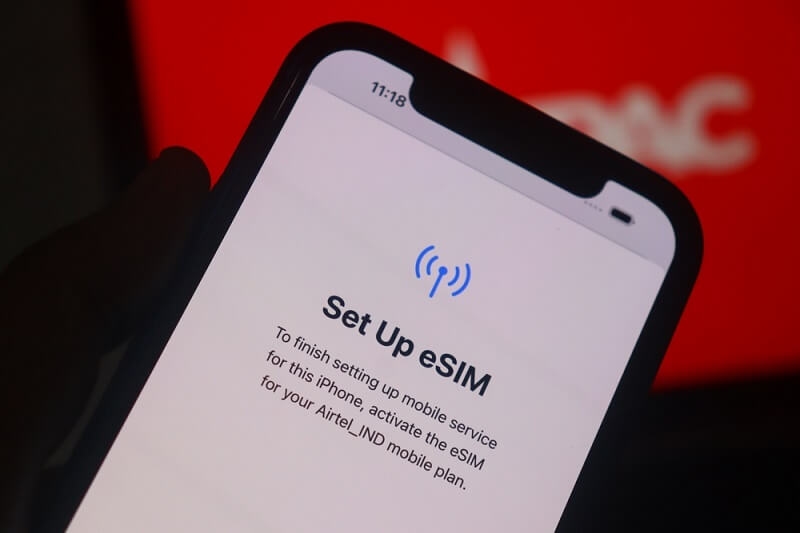
Switching to an eSIM might sound complicated; however, it’s simpler than most assume. Here’s how to initiate eSIM USA with principal providers.
With this system, the way to activate eSIM USA will become trustworthy and person-nice.
Before switching, it’s essential to know if your device supports eSIM. The list of properly matched eSIM devices continues to increase, but here are the most well-known categories.
With manufacturers increasingly assisting eSIM generation, even budget gadgets can expect to adopt it soon.
ESIM for travel merchandise is changing how travelers live and stay connected abroad. Rather than dealing with the hassle of going back and forth between several SIM cards, users can simply request plans for their local and foreign countries directly on their devices. This means no more SIM headaches, added savings, and no interruptions once you're activated. eSIM removes the hassles of a global trip, with many options and immediate activation, making it easier and smarter.
One of the most significant selling points of eSIM technology is its advantages for going abroad.
Travelers do not want to seek out kiosks or manage more than one SIM card—eSIM for global adventure simplifies everything.
In addition to adventure, eSIM technology enhances daily comfort.
Carriers globally are embracing eSIM, which means clients experience quicker activation, higher safety, and additional management.
While the eSIM era gives flexibility and comfort, it also faces high-quality challenges. Limited carrier guide in a few areas restricts extensive adoption. Transitioning from physical SIMs can be confusing for less tech-savvy customers. Device compatibility remains a trouble, as not all smartphones or devices support eSIMs. Security problems, along with far-off provisioning risks, additionally raise questions. Users who frequently switch devices may also find shifting eSIM profiles bulky, highlighting the need for stepped forward standardization and broader enterprise cooperation.
While promising, eSIM isn’t without its traumatic situations.
Ultimately, the advantages outweigh these challenges, and the costs of adoption only continue to rise.
The destiny of eSIM technology is reworking how we hook up with mobile networks. Unlike conventional SIM playing cards, eSIMs are built straight away into devices, allowing users to switch carriers without physical cards. This innovation facilitates a seamless international journey, enhanced security, and the provision of multiple carrier profiles on a single device. As more smartphones, capsules, and IoT gadgets adopt eSIMs, the generation will force comfort, flexibility, and international connectivity, making cellular communication faster, smarter, and more person-friendly.
Experts anticipate that the eSIM era will become the global desired interface in a few years. With Apple already removing SIM trays in a few iPhone models, distinct brands are expected to comply.
The path is clear: evaluating eSIM vs. physical SIM isn’t the most effective evaluation—it’s a transition.
Customers’ future with mobile connectivity is changing in the Electronically Embedded Subscriber Identity Module (eSIM) era by providing better flexibility, safety, and convenience. ESIM has made it easier to change carriers, manage multiple profiles, and stay connected while traveling by eliminating the need for a plastic SIM card. This guide can provide the knowledge to understand eSIM features, advantages, and challenges so you can make informed choices.
When using the eSIM for international travel, daily shared use, or a future-proof device, be assured that the eSIM allows seamless connectivity. Discover more, initiate hassle-free changes using the eSIM guide, and create an easier, more innovative way to stay connected in our increasingly digital world.
This content was created by AI