Unraveling the Speed of Fiber Optic Internet Connections
In a continuously changing home connectivity landscape, fiber optic internet remains regarded as the most superior connection type. Individuals tired of buffering, delays, and a lack of reliability are leaping to fiber-optic internet, and rightfully so! We’ll explain fiber internet in detail, including the benefits of fiber internet, fiber internet installation, and how it compares to older technologies, such as DSL internet. Finally, we’ll help locate a fiber internet coverage map of the USA and decipher the average cost of fiber internet.
What Exactly Is Fiber Optic Internet?
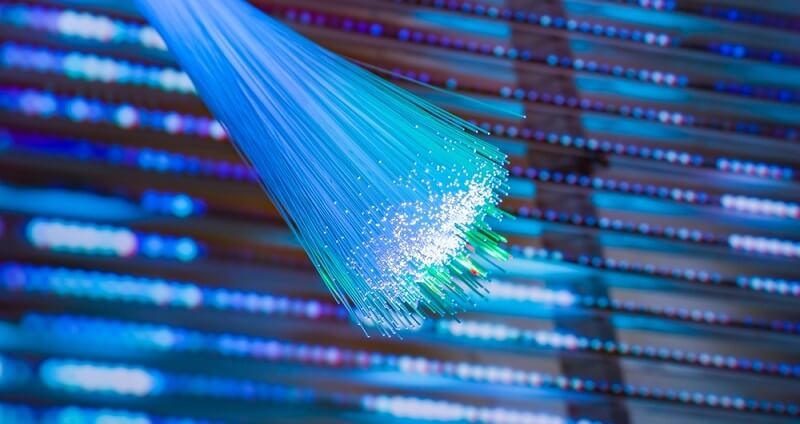
Rather than the traditional copper wires used by DSL and coaxial cable systems, fiber optics employs highly purified strands of glass that are thinner than a human hair (or possibly several strands); fiber optics seamlessly transmits as pulses of light, traveling within the—no surprise with the name here—the technological difference is where fiber's astounding performance advantages over the old ERP system lie. Data can travel faster and faster while being less affected by signal distortion, leading to a faster connection than other interconnections, but also reliable and consistent.
Fiber Internet vs DSL: A No-Contest Showdown
To truly understand fiber's benefits, it is essential to know how it outperforms Digital Subscriber Line (DSL) technology, which is still used in many homes.
- Speed: The most startling difference is speed. DSL speeds may vary from 1 to 100 Mbps, whereas fiber optic plans commonly start at 100 Mbps immediately and range from 100 Mbps to 2,000 Mbps (2 Gigabits), and in some areas, even up to 5,000 Mbps (5 Gigabits). A fiber connection can easily support dozens of devices connected simultaneously.
- Symmetrical Speeds: Most DSL and cable connections provide upload speeds that are always considerably slower than download speeds; however, fiber generally provides symmetrical speeds. This is important for video conferencing, posting large files, live streaming, online gaming, and all time-sensitive activities requiring a fast upload speed, i.e., a fiber-speed connection.
- Reliability: DSL signals weaken as they get farther from the provider's hub and are subject to electromagnetic interference from power lines or other cables. Fiber is made of glass and is immune to this type of interference. A fiber connection is exceptionally reliable and does not deteriorate with weather or distance.
- Latency: Often called "ping," latency is the delay between initiating data transfer. Fiber optic internet transfers data with low latency, a lofty standard for real-time video or competitive online gamers.
As a fiber internet vs DSL comparison, this is a clear-cut example of a modern, optimized technology surpassing an existing standard.
The Multifaceted Benefits of Fiber Internet
Upgrading to a fiber-optic connection has many advantages beyond just speed. Fiber internet benefits nearly every online activity a family will do today.
- A Revolution for Remote Work and Learning: With symmetrical upload speeds, large files can easily be transferred to cloud services or coworkers. Video calls can now take place without lag, especially for clearer video with less lag (browsers may cause some lag, however).
- A Seamless Entertainment Hub: Stream 4K or even 8K video on multiple TVs in the house while others are gaming online, downloading large games, or scrolling their media feed without missing a frame. Gone are the days of buffering.
- The Ultimate Gaming Experience: Some games require minimal latency to react quickly—fiber will give you an instant response, which can yield a competitive advantage.
- An Increasingly Valuable Home: Fiber-ready homes are becoming an increasingly valuable modern asset, not unlike updated plumbing or electrical systems. It is future-proof for the latest innovative smart home technology.
- Superior Reliability: Fiber is less susceptible to outages caused by environmental factors. This reliability is priceless for those who depend on a constant internet connection for work, security, or peace of mind.
The Fiber Internet Installation Process: What to Expect
The thought of a new installation can be overwhelming, but understanding the fiber internet installation process should help alleviate worries. The method may vary slightly depending on whether or not your house was previously wired for fiber.
- Scheduling the Appointment: After you place an order for your service, you will contact a contractor who will set up a time for a technician to come and initiate the installation process. The technician will come on-site; the installation typically takes 2-4 hours.
- The Outside Work: The technician will first run a fiber-optic cable from the nearest network terminal (usually a telephone pole or underground) to the outside of the home.
- The Inside Work: The technician will bring the fiber-optic cable to your designated area inside the home, where you usually want your optical network terminal (ONT) to be located. The ONT is a small box that converts the light signals from the fiber line to electrical signals that all your devices can read and use.
- Connection and Testing: Once the ONT is installed (and typically within the ONT installation), the technician will install the routing unit, which connects to the ONT typically via an Ethernet cable (or in some cases a dedicated Wi-Fi hub that the ISP may provide), into the desired area inside your home.
- The Final Step: The technician will often help you connect your key devices to the new Wi-Fi network and explain everything.
If the infrastructure is already at your property line, the installation can be completed in a single visit with minimal disruption.
Navigating the Fiber Internet Coverage Map USA
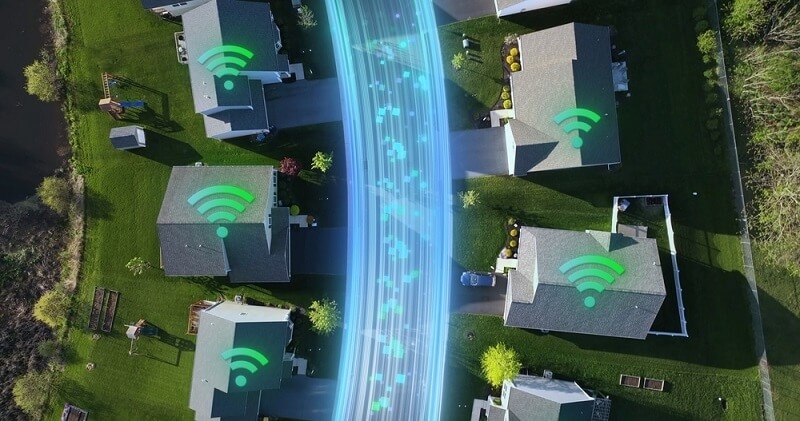
For many Americans, the primary issue is not the selection of a plan but access. Fiber is improving rapidly, but is not yet universally available. In most cases, fiber deployment will focus on urban and suburban areas first, though many providers have increasingly deployed fiber to rural areas, especially in the past few years.
A fiber internet coverage map of the USA will be your best resource to determine whether you can get service. A more accurate method is to use the service "check availability" tools on the websites of the larger fiber providers in your region (e.g., AT&T Fiber, Verizon Fios, Google Fiber, and an increasing number of regional providers and local cooperatives). Just enter your address, and it will show you what is available. Availability can sometimes vary from one side of the street to the other.
Understanding the Cost of Fiber Internet
As technology matures, the cost of fiber internet becomes increasingly competitive. While it was once a premium-only service, providers often offer introductory pricing that is very much in line with—or sometimes even lower than—slower cable internet plans.
- Introductory Rates: Most providers offer attractive promotional rates for the first 12-24 months. It's important to note the standard rate after the promotional period ends.
- Equipment Fees: Many ISPs charge a monthly fee (often around $10-$15) to rent their required router or Wi-Fi hub. You can sometimes avoid this fee by using your own compatible equipment.
- Installation Fees: Some providers offer free professional installation as part of a promotion, while others may charge a one-time fee, especially if significant construction work is needed to bring the line to your home.
- Overall Value: When evaluating the cost of fiber internet, consider the value you're receiving. Combining gigabit-plus speeds, symmetrical uploads, and unparalleled reliability often makes it superior to cheaper but less capable plans.
Is Fiber Optic Internet Right for You?
The answer is almost yes if available at your address and within your budget. Fiber internet's transformative benefits—from enabling a fully connected smart home to supporting every member of the family's high-bandwidth activities simultaneously—make it the definitive choice for today and the foreseeable future. The initial effort of the fiber internet installation process is a small price to pay for years of superior connectivity.
Conclusion
Transitioning to fiber optic internet is a significant move into the future of connectivity for your home. It outperforms DSL and cable effortlessly in speed, reliability, and symmetry—shifting the paradigm of how we work, learn, and play online. While availability is still rolling out, checking the availability coverage map is your first step to a rich, bufferless, digital experience. The value of the investment is unmatched; in short, it’s the best option for a 21st-century household.
This content was created by AI